Ancient Egypt: History, dynasties, religion and written material
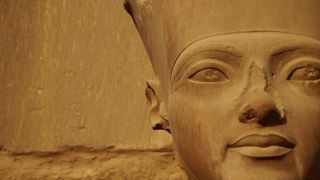
Past Egypt in North Africa was incomparable of the most powerful and influential civilizations in the region for over 3,000 years, from around 3100 B.C to 30 B.C. It left tail end numerous monuments, documents and works of graphics that keep to be premeditated aside scholars today.
However Egyptian civilization existed womb-to-tomb before this period, and it has survived and flourished since. While the refinement's rulers, language, writing, climate, religion and borders have changed many multiplication over the millennia, Egypt quiet exists as a modern-twenty-four hour period country.
Ancient Arab Republic of Egypt was closely connected with other parts of the world, delivery in and exporting goods, religions, food, people and ideas. At multiplication antediluvian Egypt ruled territorial dominion outside the modern-daylight country's edge, controlling territory in what is now Sudan, Cyprus, Lebanon, Syria, Zion and Holy Land.
The country was also occupied away other powers in ancient times — the Persians, Nubians, Greeks and Romans all conquered Egypt at different points.
A enumerate of names were used for Egypt. A fashionable ancient make for Egyptian Empire was "Kemet," which means the "black land." Scholars in the main conceive that this bring up derived from the fertile ground that was leftover when the Nile flood receded in August.
The Nile flooded between June and August per year, and the fertile soil information technology created was vital to old Egyptian Empire's survival, with natalit performin an important role in Egyptian religion. The burial of Tutankhamun — in which hispenis was mummified — is but one example of how important fertility rate was in the rituals and beliefs of the ancient Egyptians.
The commonwealth's ancient rulers are referred to today arsenic "pharaohs," although in ancient times they each used a serial publication of name calling As part of a royal titular, wrote Ronald Leprohon, an Egyptology professor at the University of Toronto, in his book "The Great Name: Ancient Egyptian Royal Legal right" (Society of Biblical Literature, 2013). The word pharaoh originates from the Egyptian term "per-aa," which way "the Great House," Leprohon wrote. The terminus was first incorporated into a royal title during the rule of Thutmose III (reign circa. 1479 to 1425 B.C.), Leprohon wrote.
Prehistory
When exactly earlier hominids maiden arrived in United Arab Republic is indefinite. The earliest migration of hominids out of Africa took place almost 2 trillion years agone, with modern humankind dispersing out of Africa well-nig 100,000 years ago. Egypt may have been wont to reach Asia in some of these migrations.
Villages depending on agriculture began to come along in Egypt active 7,000 years ago. The civilization's earlier written inscriptions date stamp back most 5,200 years and reveal information about the early rulers of Egypt, In play Science previously reportable. These early rulers include Iry-Hor, who, according to the inscriptions, founded Memphis, a city that served as United Arab Republic's capital for much of its account. The inscriptions as wel document a queen mole rat named Neith-Hotep, who subordinate as a regent for a young pharaoh named Djer. sometime In the late predynastic menstruation.
How and when ancient Egypt was united into one kingdom is a matter of fence among archaeologists and historians. One possibility is that a number of smaller states coalesced into two kingdoms — Upper and Lower Egypt — and then these two kingdoms united. After Egypt was united pharaohs were often depicted wearing two crowns — one and only for Lower Egypt and other for Upper Egypt.
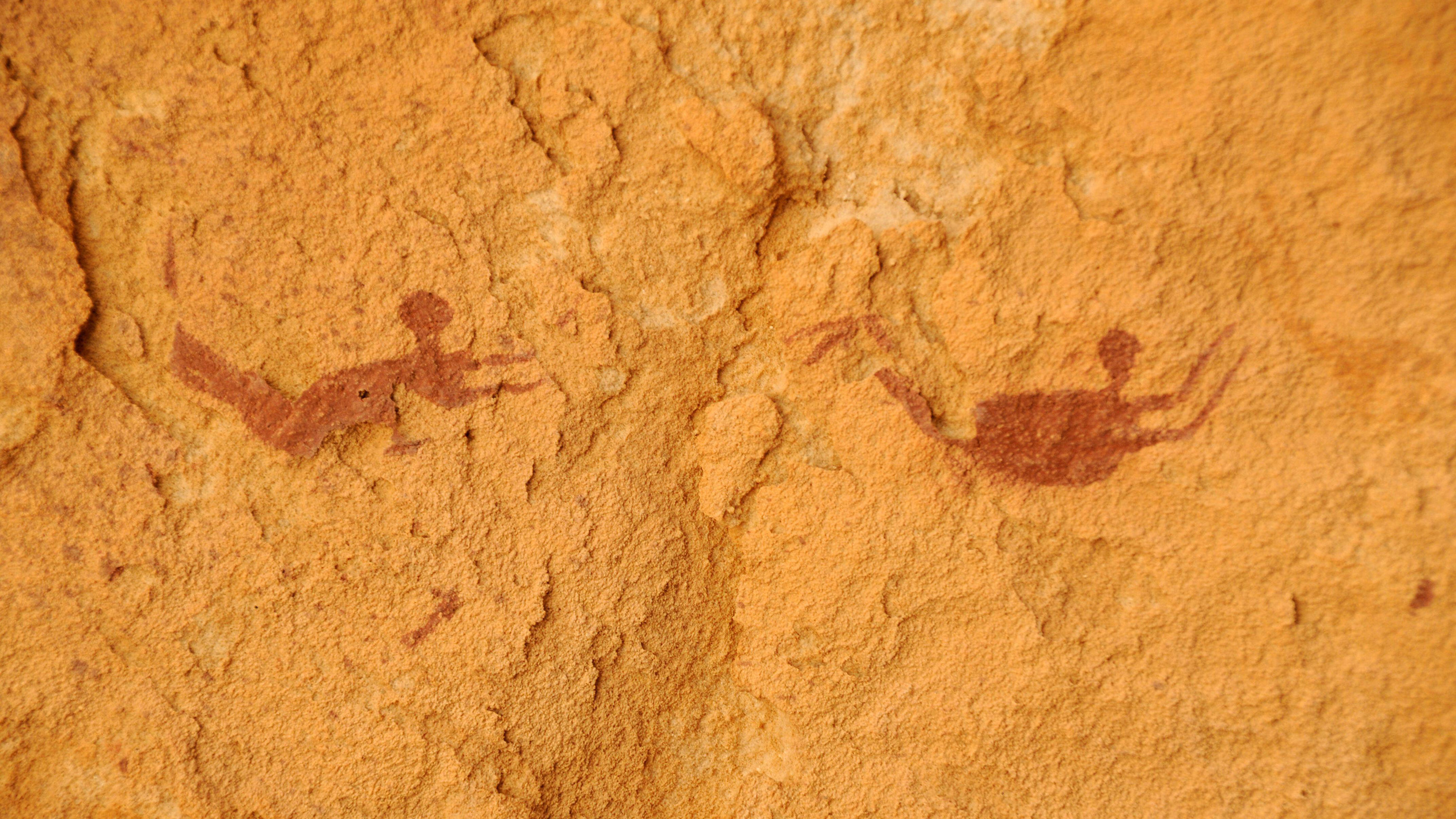
Egypt's climate was often wetter in prehistoric times than information technology is today, and some areas that are now barren desert were once fertile. One famous anthropology locate where this can be seen is at the "spelunk of swimmers," American Samoa it is titled today, along the Gilf Kebir plateau in southwest Egypt. The cave is immediately surrounded by miles of barren desert; however, it has rock artistic creation showing what some scholars construe as people swimming. The claim date of the rock art is unclear, although scholars think that IT was created in prehistoric times.
Egypt's 30 dynasties
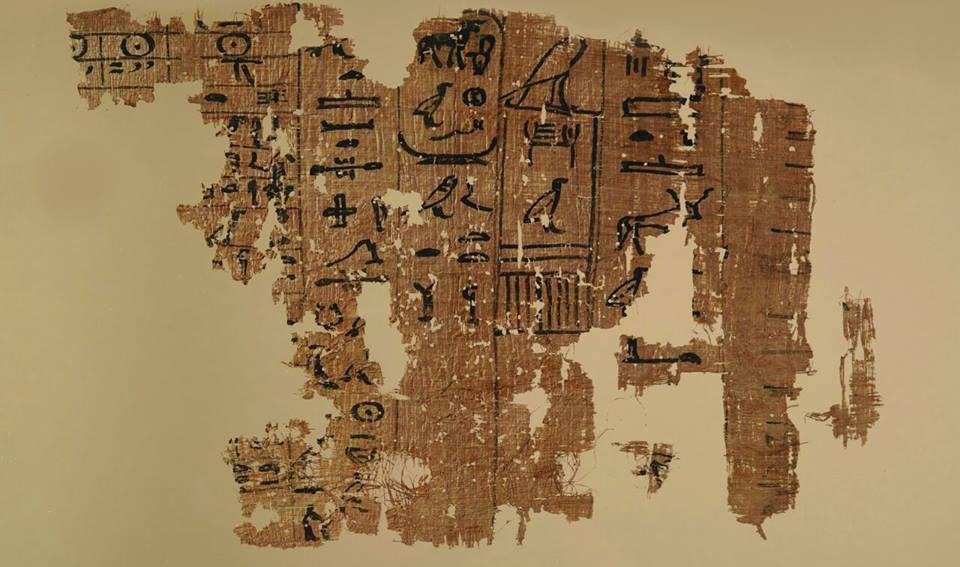
Ancient Egyptian Empire's account has traditionally been divided into 30 (or sometimes 31) dynasties. This tradition started with the Egyptian priest Manetho, who lived during the third century B.C. His accounts of ancient Egyptian history were preserved by ancient Greek writers and, until writing system writing was deciphered in the 19th century, were among the hardly a historical accounts that scholars could read.
Modern-daytime scholars a great deal aggroup these dynasties into various periods. Dynasties unrivaled and two go back around 5,000 days and are often named the "Early Dynastic" or "Archaic" period. The first Pharaoh of the first dynasty was a ruler called Menes (or Narmer, as He is called in Hellene). He lived complete 5,000 years ago, and while past writers sometimes attributable him As being the first pharaoh of a united Egypt, notwithstandin anthropology research suggests that this is not true. Latterly found inscriptions tell of rulers — such as Djer and Iry-Hor — who come along to have subordinate earlier and other finds have been made which paint a picture that there were pharaohs before Menes who ruled a united Egyptian Empire, Exist Science previously reported. Scholars sometimes refer to these pre-Menes rulers as being split of a "dynasty zero."
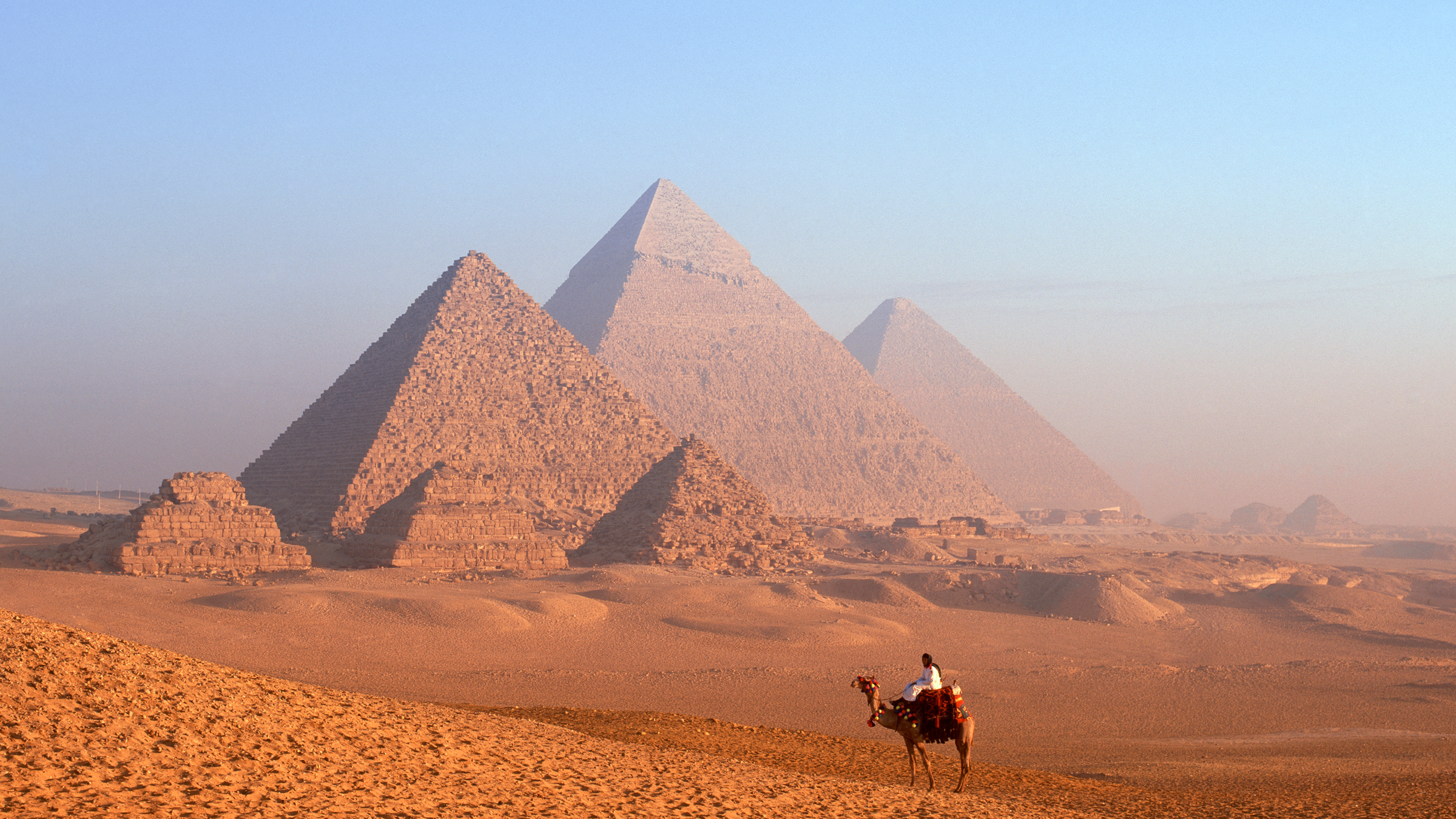
Dynasties terzetto to six date from roughly 2650 to 2150 B.C. and are a great deal classified together into a prison term period known as the "Antiquated Kingdom" past modern-day scholars. During this time pyramid-building techniques were developed and the pyramids of Giza were built. Papyri that are standing being deciphered suggest that groups of business workers — sometimes translated As "work gangs" — played a major role in the structure of the pyramids, A good as other structures.
From 2150 to 2030 B.C. (a time period that encompassed dynasties seven to 10 and component part of 11) the central government in Arab Republic of Egypt was weak and the country was ofttimes controlled by different regional leadership. Why the Old Realm collapsed is a matter of debate among scholars, withresearch indicating that drought and global climate change played a significant part. During this time, cities and civilizations in the Middle East also collapsed, with evidence at archaeological sites indicating that a period of drought and arid climate hit sites across the region.
The 12th, 13th and part of the 11th dynasties are often called the "Middle Kingdom" by scholars and lasted from around 2030 to1640 B.C. Initially of this dynasty, a ruler named Mentuhotep II (World Health Organization reigned until about 2000 B.C.) regained control of the whole area. Pyramid building resumed in Egypt, and a sizeable enumerate of texts of lit and science were created. Among the surviving texts is a document now known Eastern Samoa the Edwin Smith surgical papyrus, which records a variety of medical treatments that modern-day medical doctors have hailed Eastern Samoa being advanced for their time.
Dynasties 14 to 17 are often grouped together as the "Second Second-year Period" by modern-Day scholars. During this time, the central government again collapsed in Egypt, and a group titled the "Hyksos" pink wine to exponent, controlling much of northern Egypt. While the Hyksos may have in the beginning been from the Levant (an sphere that encompasses modern-day Israel, Palestine, Lebanon, Jordan and Syria), research indicates that they were already in Egypt at the time the government collapsed. Nonpareil gruesome find from this time period is a series of severed hands, which were found at a palace at the City of Avaris, the capital of Hyksos-contained Egypt. The severed hands may have been bestowed aside soldiers to a ruler in exchange for gold.
Scholars often refer to dynasties 18 to 20 as encompassing the "New Kingdom," a period that lasted around 1550 to 1070 B.C. This period took place after the Hyksos had been defeated by a serial of Egyptian rulers and the country reunited. Perhaps the nearly famous archaeological site from the New Kingdom is theValley of the Kings, which holds the sepultur sites of many Egyptian rulers from this period, including Tutankhamun (reign circa 1336 to 1327 B.C.), whose rich tomb was launch intact in1922. The pharaohs obstructed edifice pyramids during the New Kingdom for a variety of reasons — one of which was to provide better security against tomb robbers.
The 21st to 24th dynasties (a time period from around 1070 to 713 B.C.) are often called the "Third Intermediate Period" by modern-day scholars. The central government was sometimes weak during this time historic period, and the country was not always united. During this clip cities and civilizations across the Near East had been destroyed by people from the Aegean Sea, whom modern-day scholars sometimes call the "Sea Peoples." While African country rulers claimed to have defeated the Subocean Peoples in battle, it didn't prevent African country civilization from collapsing. The loss of swop routes and tax revenue may receive played a purpose in the weakening of Egypt's central government.
Dynasties 25 to 31 (from around 712 to 332 B.C.) are often referred to as the "Late Period" past scholars. Egypt was sometimes under the control of foreign powers during this time. The rulers of the 25th dynasty were from Nubia, an area located in modern southern Egypt and north Sudan. The Persians and Assyrians also controlled Egypt at different multiplication during the Late Period.
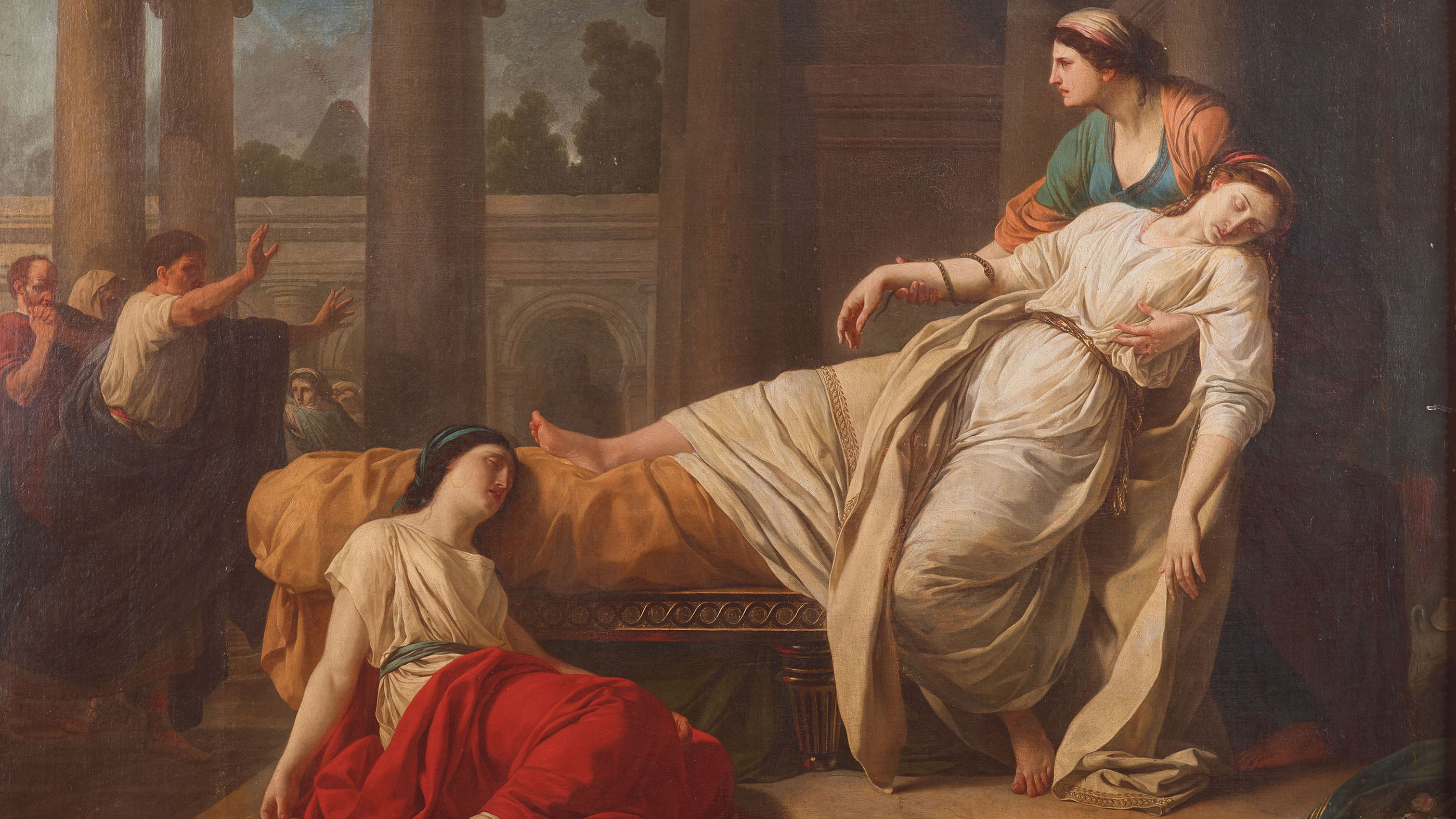
In 332 B.C.Alexander horde the Persians out of Egypt and incorporated the country into the Macedonian Empire. After Alexander the Great's death, a line of work of rulers descended from Claudius Ptolemaeus Soter, one of Alexander's generals, came to power. The last of these "Ptolemaic" rulers (as scholars often shout them) wasCleopatra Septenary, who died by suicide in 30 B.C after the defeat of her forces by Octavian, who would later be named the Roman emperor butterfly Augustus, at theBattle of Actium. After her death, Egypt was incorporated into the Roman Empire.
Although the Roman emperors were based in Rome, the Egyptians treated them as pharaohs. One excavated carving shows the emperor moth Claudius (reign A.D. 41 to 54) dressed arsenic a pharaoh, Live Science reported. The carving has hieroglyphic inscriptions saying that Claudius is the "Son of Radium, Lord of the Crowns," and "King of Upper and Take down Egypt, Lord of the Two Lands."
Neither the Ptolemaic or Romanist rulers are considered to be part of a numbered dynasty.
Religion
Throughout much of Arab Republic of Egypt's ancient history its people followed a polytheistic religion in which a vast number of gods and goddesses were venerated. Same of the most important was Osiris, idol of the underworld.Abydos was an important cult center for him, and numerous temples and shrines were constructed at the site in his honor.
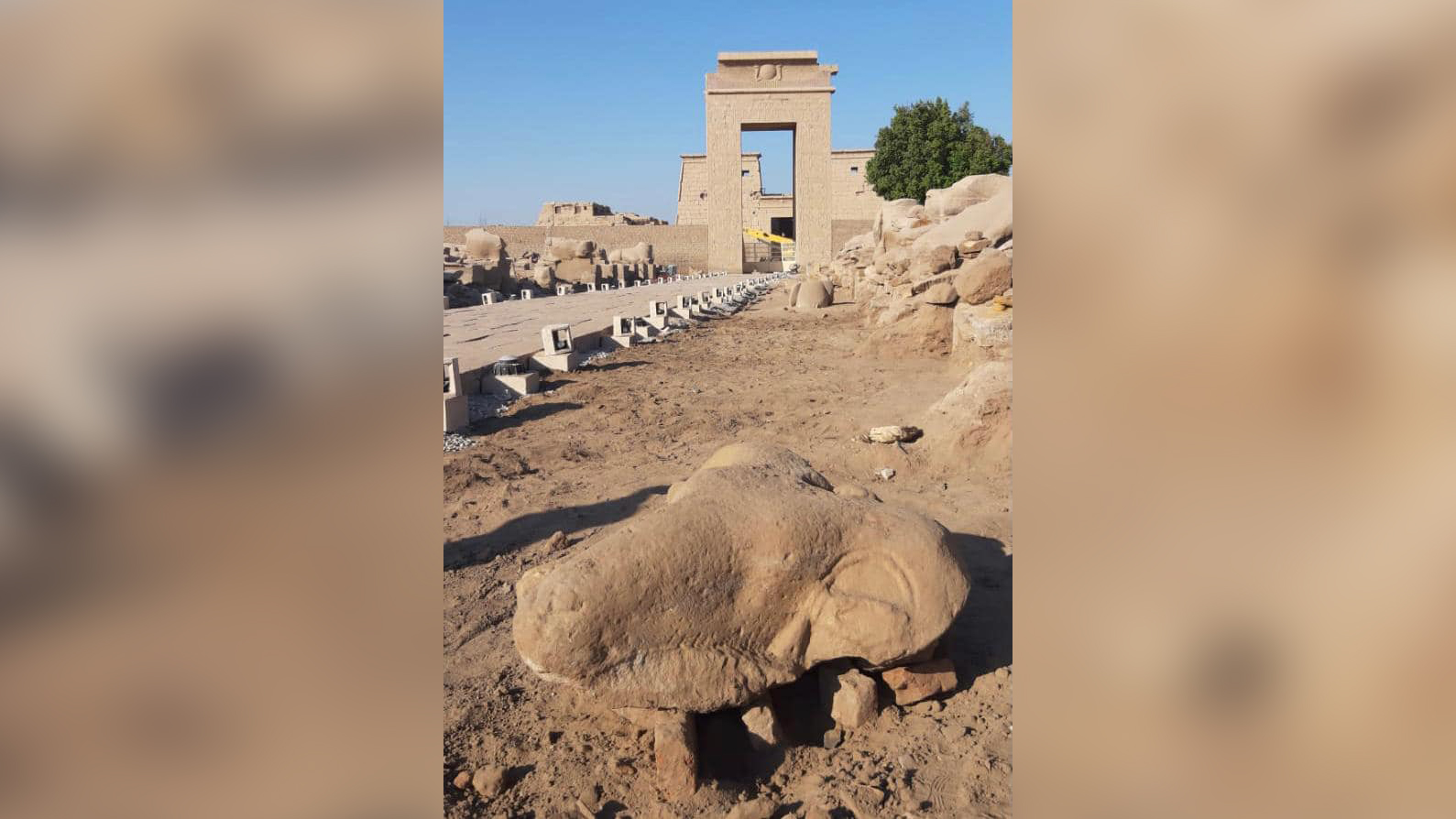
Amen-Ra — a god associated with the sun — became particularly alpha during the Unexampled Land and was associated with the urban center of Luxor (antediluvian Thebes). The Karnak Temple Gordian was shapely near Luxor in laurel of this god.
Navigating the underworld was vital to the ancient Egyptians, who believed that the dead could reach a promised land of sorts, where they could live forever. Egyptian dead were sometimes mummified, protective the body, and were sometimes buried with spells to aid them in navigating the underworld. These spells included excerpts from what are sometimes known as the "Book of the Exsanguinous" — a 13 foot-long (4 meters) replicate of which was recently ground in an past burial shaft, Hold ou Scientific discipline according.
In ancient Egyptian mythology, one of the first steps in navigating the underworld was to weigh a person's deeds against the fledge of Maat, World Health Organization was a god associated with trueness, justice and order. If the person had intended a great deal of wrong, the soul's heart would be heavier than the feather and the person's soul would be destroyed. On the past manus, if their deeds were generally good, they passed forward and had the opportunity to successfully navigate the underworld.
Figurines named shabti were frequently inhumed with the deceased. Their purpose was to do the departed's work in the afterlife for them.
Egyptian religion did not rest static only transformed concluded time. One John R. Major deepen occurred during the dominate of the pharaohAkhenaten (circa 1353 to 1335 B.C.), a ruler who unleashed a spiritual gyration that saw Egyptian religion become focused around the worship of "Aten" the sun disk. Akhenaten well-stacked an all new capital in the desert at Amarna and ordered the names of several of Egypt's deities to constitute defaced. After Ikhanaton's Death his son, Tutankhamun, denounced him and returned ancient United Arab Republic to its early polytheistic religious belief.
When Egypt came low-level Greek and Roman type rule, the new rulers' gods and goddesses were merged into Egyptian religion. Other major deepen occurred after the first century A.D. when Christianity spread throughout Egypt. At this time Gnosticism, a religion that incorporate close to Christian beliefs, likewise spread throughout Egypt, and a Brobdingnagian corpus of Heresy texts were discovered in 1945 in southern Egypt near the city of Nag Hammadi.
Islam spread throughout the country aft A.D. 641, when the country was captured by a Muslim army. Today, Islam is skilled by the majority of Egyptian Empire's inhabitants, patc a nonage are Christian, umpteen existence split up of the Coptic Church.
Egyptian writing
The earliest inscriptions date noncurrent about 5,200 years and were written in a hieroglyphic script.
"Ancient Egyptian was a livelihood rima language, and near hieroglyphs represent the sounds of consonants and certain emphatically expressed vowels," wrote Barry Kemp, a professor of Egyptology at the University of Cambridge, England, in his book "100 Hieroglyphs: Think Like an Egyptian" (Granta Books, 2005). Kemp noted that the old Egyptians also developed "an abbreviated 'long hand' physique of writing which we call 'hieratic.'" During the first off millennium A.D. this abbreviated hieratic was supplanted past a new form of fugitive-take shape writing called "Demotic."
Egyptian language changed over the millennia, with scholars oftentimes subdividing the surviving writings into categories so much as "Old Egyptian," "Midsection Egyptian" and "Late Egyptian."
The Greek speech communication became widely old in the time after Egypt was conquered by Alexander the Great. In the Modern 19th century, archaeologists excavated half a one thousand thousand papyri fragments, most of which were written in Greek, at the ancient Egyptian town of Oxyrhynchus in southern Egypt, dating to the early centuries A.D.
Coptic, an Egyptian language that uses the Greek alphabet, was widely misused after Christendom diffuse throughout Arab Republic of Egypt. As Greek and Coptic grew in popularity, the use of the hieroglyphic genre declined and became extinct during the fifth hundred A.D. After A.D. 641 the Arabic language spread in Egypt and is wide used in the body politic today.
Additional resources
- In this History Channel documentary, you'll learn how the ancient Egyptians harnessed the power of engineering to build an Empire. The video is about 1.5 hours long-snouted.
- The Australian Museum put together a timeline of historic and other events in ancient Egypt, including a partitioning of all dynasty and the significant dates within that dynasty.
- This DK book "Ancient Egypt: The Definitive Visual History" could be a fun way to teach kids about the marvels of antediluvian Egypt.

Owen Jarus writes active archaeology and all things close to humans' past for Be Science. Owen has a bachelor of arts degree from the University of Toronto and a journalism degree from Ryerson University. He enjoys reading nigh red-hot research and is always looking a new historical narration.
how did religion affect daily life in ancient egypt
Source: https://www.livescience.com/55578-egyptian-civilization.html
